



Whether you are relaxing by a swimming-pool, enjoying a cold lemonade on your coach, or taking a break wherever the summer finds you, we hope you will find an article that matches your mood in the following selection. The articles are listed in chronological order:
1. Role of Liquid Composition in the Transient Liquid Assisted Growth of Superconducting YBa2Cu3O7-δ Films
The article, published in Advanced Materials, is authored by Lavinia Saltarelli*, Diana Garcia, Laia Soler, Elzbieta Pach, Kapil Gupta, Daniel Sanchez-Rodriguez, Jordi Aguilar, Victor Fuentes, Eduardo Solano, Cristian Mocuta, Jordi Farjas, Xavier Obradors*, Teresa Puig*. Read the article here or check its ICMAB research.
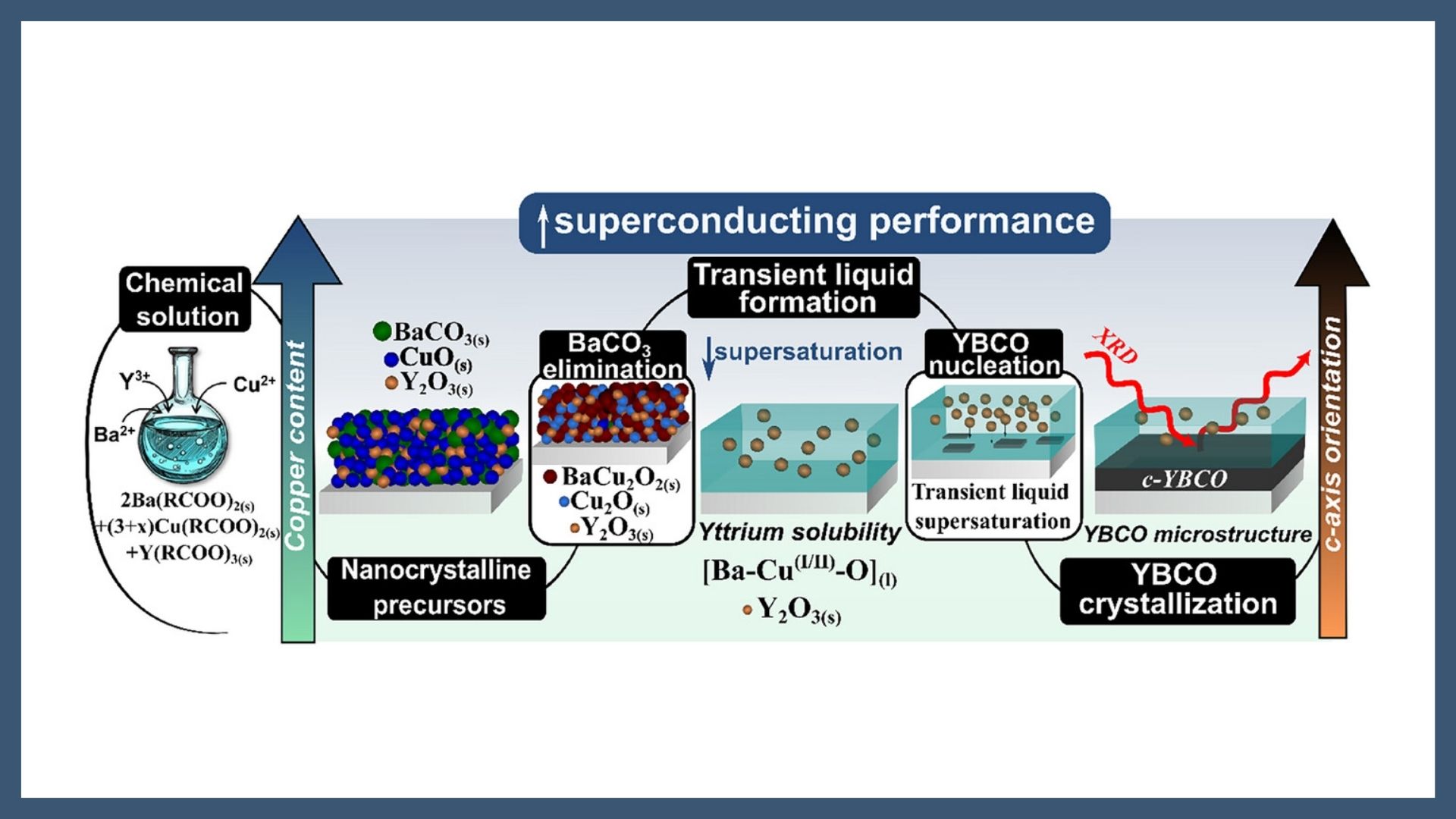
Abstract: The unparalleled loss-less electrical current conduction of high-temperature superconducting (HTS) materials encourages research on YBa2Cu3O7−𝛿 (YBCO) to unravel opportunities toward numerous applications. Nonetheless, production costs and throughput of the commercialized HTS Coated Conductors (CCs) are still limiting a worldwide spread. Transient liquid assisted growth (TLAG) is a non-equilibrium process displaying ultrafast growth rate which, when combined with chemical solution deposition (CSD), is emerging as a strong candidate to reduce the cost/performance ratio of YBCO superconductors. This study explores the influence of the (Ba:Cu) molar ratio of the transient liquid composition on the nucleation and growth mechanisms of TLAG. This enables an in-depth analysis of the critical role of the yttrium supersaturation in the transient liquids considering the out-of-equilibrium kinetic character of TLAG. Advanced characterization techniques, including in situ synchrotron X-ray diffraction, coupled to a multi-parameter analysis of the contributions to the physical performance, elucidate the influence of transient liquid supersaturation as driving force toward YBCO nucleation and growth. Understanding the fundamental role played by the initial ink composition allows to disentangle how to reach high superconducting performance. The fabrication of high-performance YBCO films through this novel, high-throughput growth methodology promotes the use of HTS materials in large scale power applications.
2. Rare-Earth Silicates as High-Temperature Surfactants for the Controlled Synthesis of ε‑Fe2O3 Nanoparticles
The article, published in Journal of the American Chemical Society, is written by Naureen Khanam, Zheng Ma, Sergi Ortiz Ropero, Nico Dix, Ana Vila Costa, Judit Oró-Solé, José Luis García-Muñoz, Jordi Faraudo, Martí Gich*. You can read the article here or check its ICMAB research.
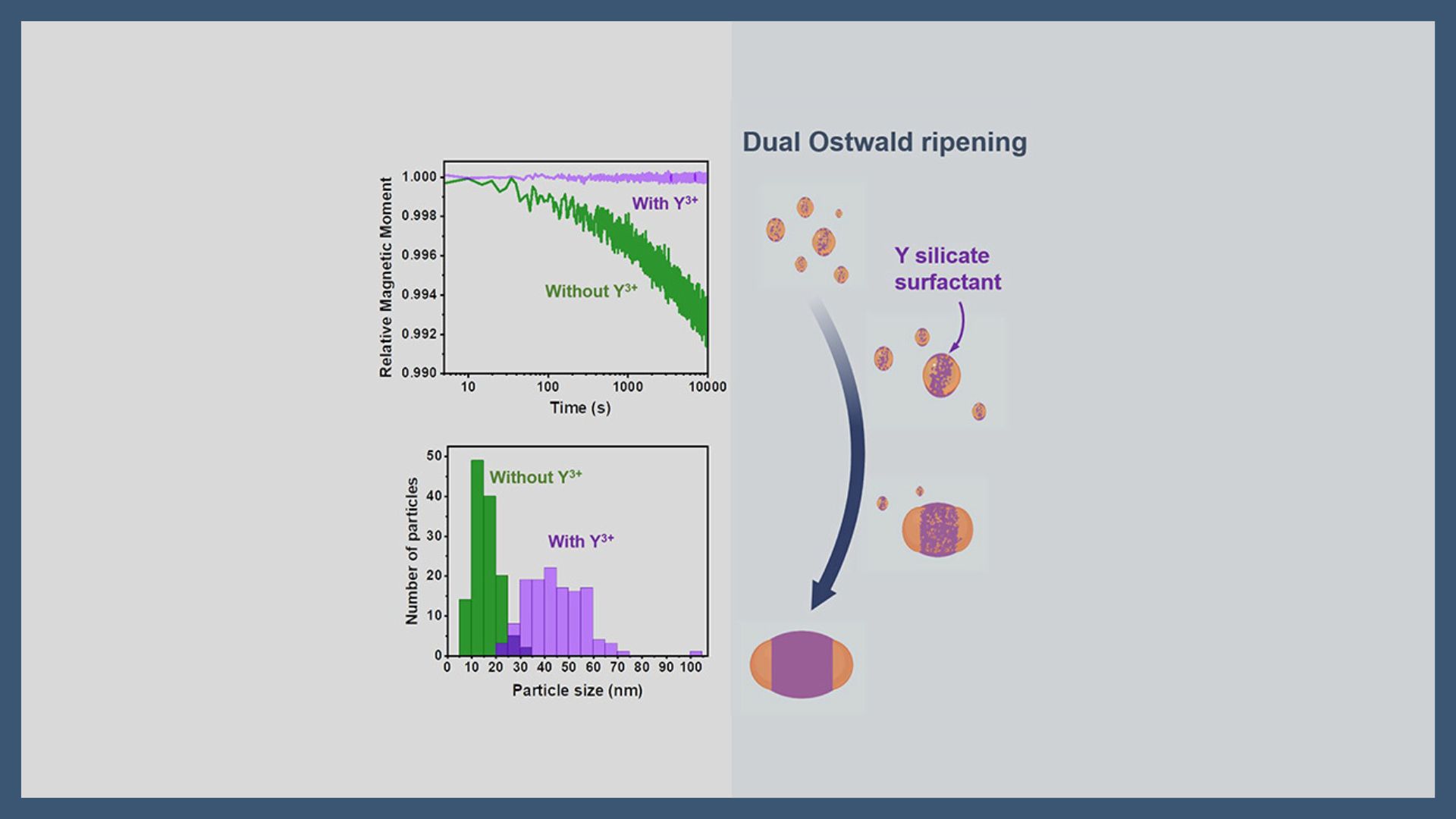
Abstract: The functional properties of nanocrystals can be finely tuned through controlled morphology and size. However, this can be challenging for metastable nanostructures that require harsh synthesis conditions, such as high temperatures. Here, we present a method for preparing large ε-Fe2O3 nanorods that are not affected by magnetic relaxation. This study presents a novel growth mechanism in which high-aspect-ratio rods evolve from spherical ε-Fe2O3 particles in a silica matrix containing Y3+. With the presence of Y3+, the glassy matrix undergoes a metastable binodal decomposition yielding the formation of nanodroplets of a Y-rich silicate of composition ∼Y2Si2O7. This Y silicate selectively coats the ε-Fe2O3 planes perpendicular to the rod axis along the [100] direction but is not observed in the rod apexes. Structural optimizations and energy calculations of different crystal faces of ε-Fe2O3 in contact with Y2Si2O7 obtained using machine-learning force fields provide an atomistic interpretation of these observations: the affinity of Y with the oxygen atoms exposed at ε-Fe2O3 surfaces explains the preferential capping of ε-Fe2O3 surfaces that present a large density of oxygen atoms and its absence in surfaces such as (100), where this density is significantly lower. The presence or absence of the silicate capping layer results in different surface energies and/or mass transfer coefficients across the interface, originating two independent Ostwald ripening processes, which drive the high aspect ratio growth. By using La3+ instead of Y3+, ε-Fe2O3 rods with even larger aspect ratios are obtained. Notably, this synthetic approach counteracts the progressive diminution of the average nanoparticle size observed in ε-(Fe1–xCrx)2O3 upon Cr3+ addition, enabling to elucidate the effect of this substitution on the intrinsic magnetic anisotropy and the anisotropy fields that determine the high-frequency ferromagnetic resonances of this phase.
3. Tunable Magnetism and Intrinsic Exchange Bias in Al-Substituted Terbium Iron Garnet
The article, published in Advanced Materials, is authored by Takayuko Shiino*, Matteo Fettizio, Saul Estandia and Can Onur Avci*. You can read the original paper here and also check its ICMAB research.
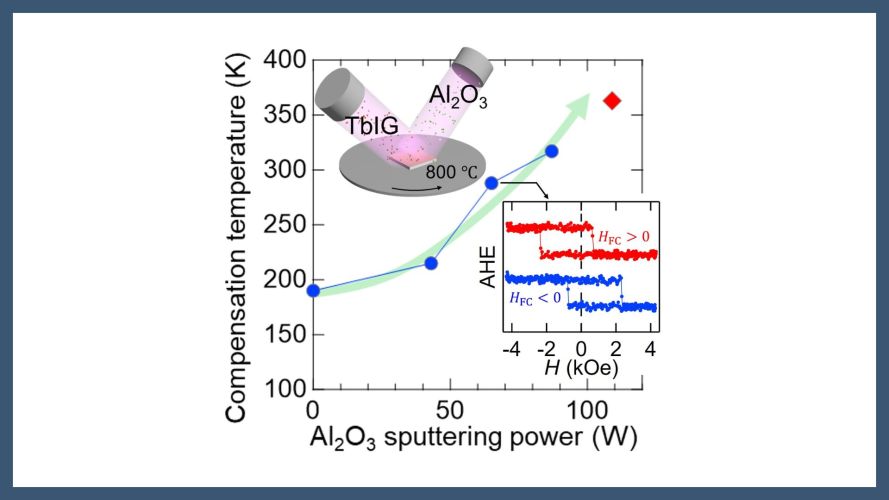
Abstract: Ferrimagnetic insulators are central to both fundamental magnetism and diverse technologies, including spintronics, photonics, and microwave engineering. Their low damping, electrical insulation, and tunable magnetism make them ideal, especially for low-power spintronic devices. Controlling key magnetic properties —particularly the magnetic compensation— is essential for accessing ultrafast dynamics, and advanced spintronic functionalities. Here, it is demonstrated that the magnetic compensation temperature (TM) of an archetype ferrimagnetic insulator, terbium iron garnet (Tb3Fe5O12, TbIG), can be continuously tuned and raised to ambient temperature by partially substituting magnetic Fe atoms with nonmagnetic Al. This substitution, achieved by high-temperature co-sputtering of TbIG and Al2O3, is confirmed by atomically resolved electron microscopy. Near TM, a giant intrinsic exchange bias of up to 2.5 kOe is observed. The exchange bias exhibits deterministic or stochastic behavior depending on the cooling conditions, and its polarity can be controlled via an external magnetic field. To explain the observed phenomena, a phenomenological model is developed that takes into account a distribution of local TM values induced by magnetic site disorder. These findings provide an efficient strategy for controlling TM and enabling exchange bias in TbIG that may add new functionalities for room-temperature spintronic and photonic applications.
4. Unveiling capacity limitations of MnO2 in rechargeable Zn chemistry
The article, published in Energy & Environmental Science, is written by Cheng Liu, Vlad Martin-Diaconescu, Ashley Phillip Black, Siavash Khabazian, Bernat Mundet, Krzysztof Matlak, Lorenzo Stievano, Andrea Sorrentino, Laura Simonelli* and Dino Tonti*. You can retrieve it here or check its ICMAB research.
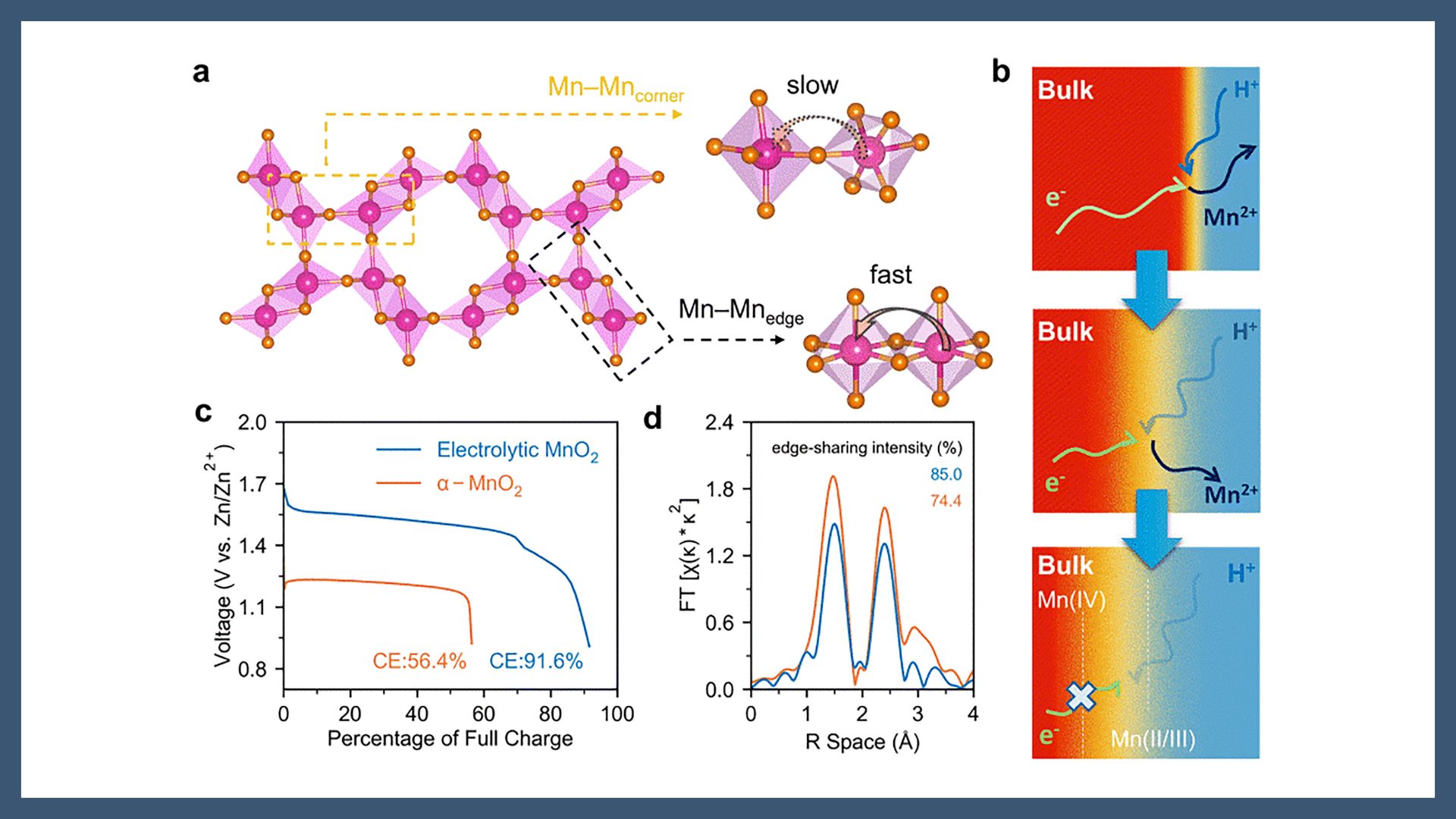
Abstract: Aqueous Zn–MnO2 batteries with mildly acidic electrolytes deliver attractive experimental capacities, however the underlying mechanisms remain elusive, particularly regarding the interactions of Zn2+ and H+ with MnO2, as well as the formation of Mn2+ and Zn4SO4(OH)6·xH2O (ZSH). Although these products are compatible with a two-electron dissolution mechanism, the observed first-discharge capacity is limited to approximately 300 mA h g−1 MnO2, close to that of a one-electron reaction. To address this contradiction, commonly used α-MnO2 nanowires were chosen as cathode material and investigated by a systematic multimodal and multiscale approach under operando or ex situ conditions to analyze the processes that occur during the first discharge. MnO2 dissolution into Mn2+ and ZSH precipitation were confirmed, and the formation of a disordered phase at the nanowire surface with the accumulation of Mn(III) was detected. An in-depth analysis indicates that such Mn(III) species correspond to protonated corner-sharing MnO2 octahedra, which, unlike the edge-sharing ones, are hindered from undergoing disproportion, limiting the MnO2 dissolution and explaining the reduced capacity. This comprehensive mechanistic understanding opens new pathways for the selection of the most appropriate MnO2 phases and the optimization of electrodes to improve the performance of aqueous Zn–MnO2 battery systems.
5. Electrically Readable Lateral Flow Assay Using Organic Transistors for Diagnostic Applications
The article, available in Advanced Materials, is authored by Maria Jesús Ortiz-Aguayo, Carme Martínez-Domingo, Diego Gutiérrez, Dean Kos and Marta Mas-Torrent*. Retrieve it here or check its publication as ICMAB research.
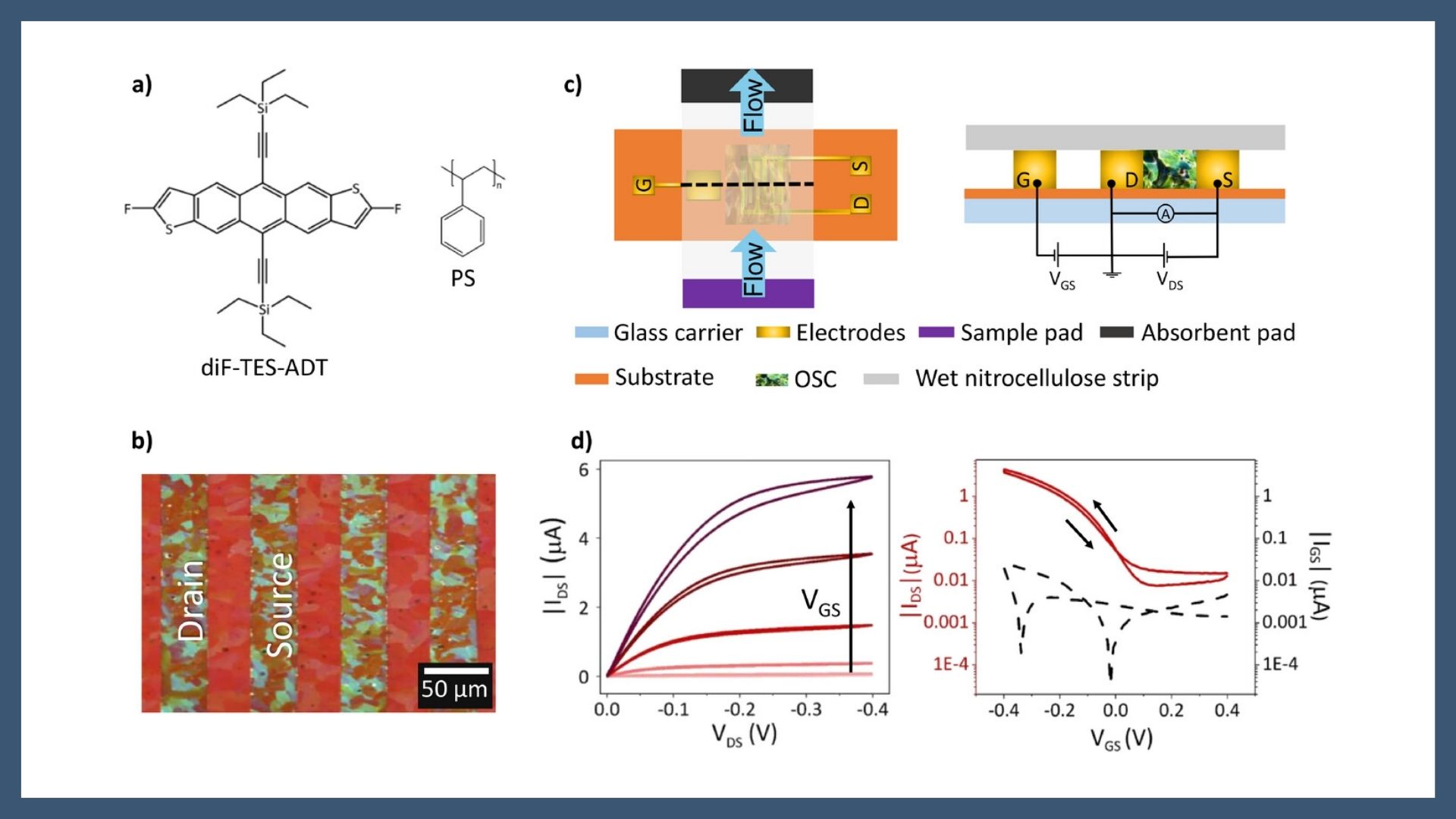
Abstract: Electrolyte-gated organic field-effect transistors (EGOFETs) are emerging as powerful, ultrasensitive label-free biosensors, but their applicability as portable diagnostic tools remains constrained by poor microfluidic miniaturization and complex multi-step ex situ assays. Simultaneously, paper-based lateral flow (LF) immunoassays hold significant relevance for integrated diagnostic applications in the market, but are limited by the low sensitivity of optical detection. To address these challenges, a simple EGOFET integrated with LF paper fluidics are reported to obtain a reusable, highly portable, and cost-effective point-of-care (PoC) test with rapid results (≈20–30 min). The test is validated for Human Immunoglobulin G detection, achieving a wide linear range, high selectivity, reproducibility, and a low limit of detection of 0.1 fm. The portability of the system is demonstrated in a designed prototype with a miniaturized electronic reader, operating via an adapted USB-connected smart device. This work fulfills the requirements of low-cost PoC tests and offers a foundation for the next generation of digital LF assays.
6. Quatsomes as versatile fluorescent nanocarriers: stable Eosin Y loading and FRET with a membrane dye
The article, published in Nanoscale Advances, is written by Andrea Delledonne, Guillem Vargas-Nadal, Giacomo Cotelli, Nora Ventosa, Mariana Köber* and Cristina Sissa*. You can read the article here and check its ICMAB research.
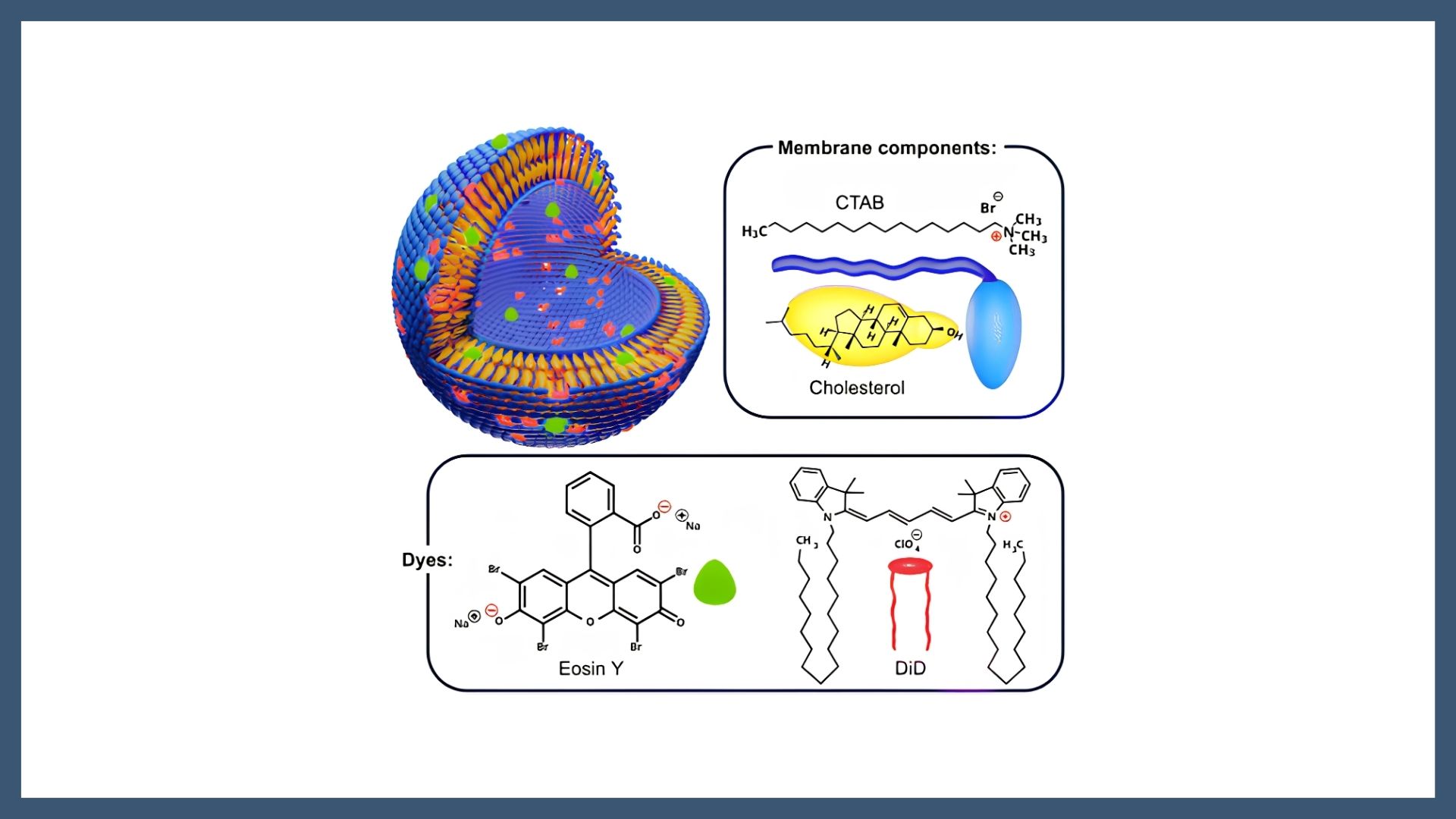
Abstract: Fluorescent nanoprobes are key components in advanced bioimaging and optical sensing, enabling enhanced brightness, photostability, and multifunctionality beyond what is achievable with molecular dyes. Using multiple dyes in one nanocarrier boosts signal and enables multi-color imaging in a single system. However, the development of nanoplatforms capable of stably incorporating multiple fluorescent probes with different solubility and physicochemical properties remains a significant challenge. In this work, we demonstrate the efficient co-encapsulation of a hydrophilic dye (Eosin Y) and a hydrophobic dye (DiD) in quatsomes (QSs), a class of stable, non-liposomal nanovesicles composed of ionic surfactants and sterols. QSs are multifunctional nanocarriers of interest for drug delivery and bioimaging, since they can encapsulate molecules with different functionalities. Two different strategies are proposed for the loading of Eosin Y: (a) pre-assembly loading during the preparation of nanovescicles, and (b) post-assembly loading (incubation) of nanovescicles with a solution of the dye. While the hydrophobic probe DiD easily inserts into QS membranes thanks to its long alkyl chains, our results show that a hydrophilic dye like Eosin Y can also be efficiently and stably incorporated, even after vesicle formation. This opens the possibility of tuning the emission properties of QSs on demand, provided that suitable hydrophilic dyes with appropriate structural affinity for the QS system are employed. Moreover, Eosin Y and DiD are dyes compatible for Förster resonance energy transfer (FRET). FRET between two fluorophores on the same carrier provides a sensitive readout of nanoscale interactions, converting molecular proximity into a measurable optical signal. Together, these results position QS as a versatile and modular nanoplatform for multicolor bioimaging and optical sensing, combining stability with on-demand tunability of their emission properties.
7. STORM as a tool to track cargo release from polymeric nanocarriers at the single-particle level
The article is published in Nanoscale Horizons and written by Anna Solé-Porta*, Silvia Pujals*, Pietro Delcanale and Anna Roig*. You can read it here and check its ICMAB research.
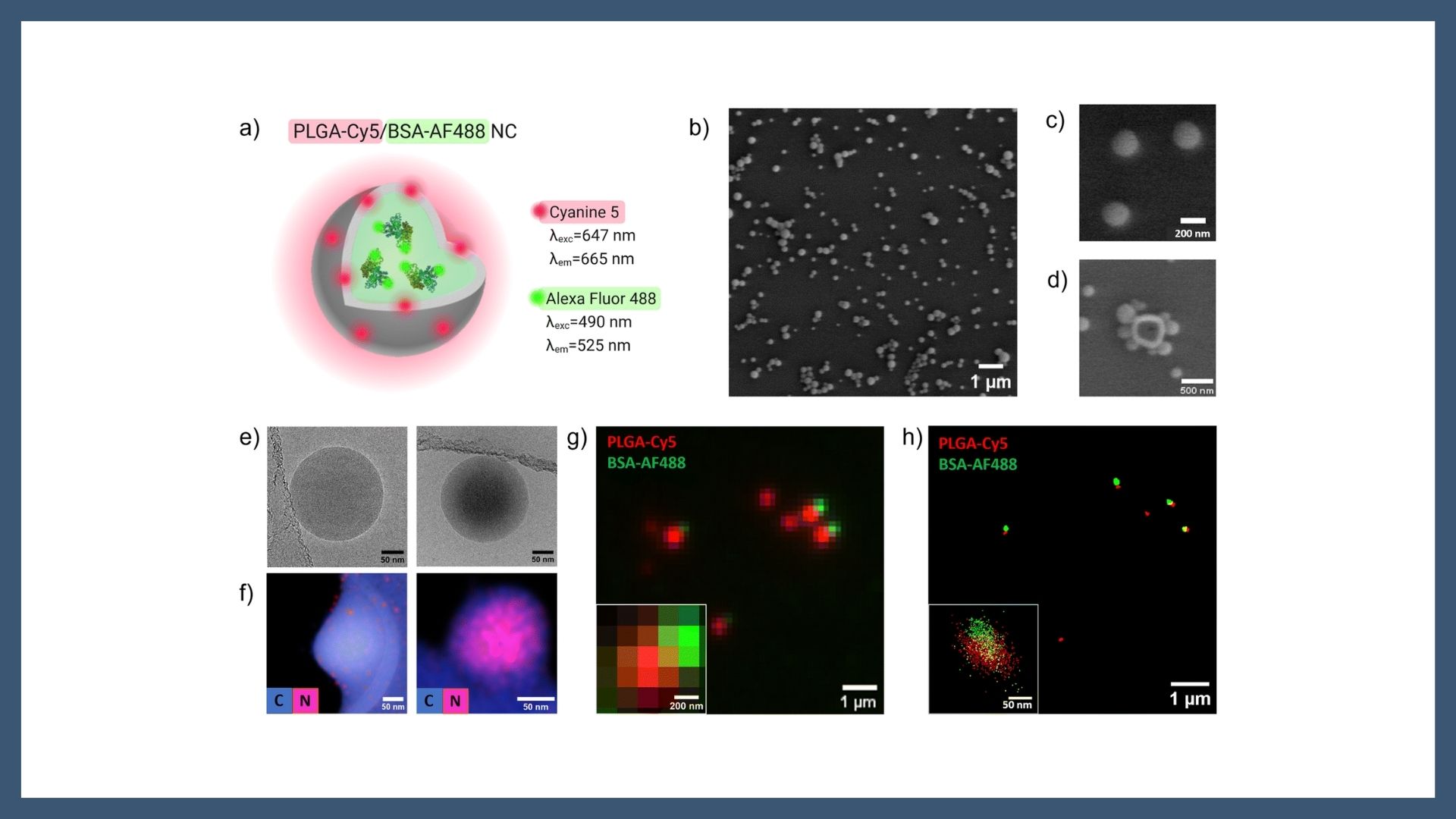
Abstract: Recent advances in super-resolution microscopy have enabled unprecedented visualization of cellular structures, tracking of nanomaterials in biological environments, or the elucidation of specific nano-bio interactions. Yet, dynamic quantification of cargo release from individual nanocarriers remains unexplored. Here, we leverage the high spatial resolution of direct stochastic optical reconstruction microscopy (dSTORM) to monitor protein release at the single-nanocarrier level. Poly(lactic-co-glycolic acid) (PLGA) nanocapsules labelled with Cyanine5 and loaded with bovine serum albumin (BSA) tagged with Alexa Fluor 488 are characterized using dSTORM alongside other characterization techniques. dSTORM allowed us to simultaneously observe changes in nanocarrier size and cargo localization over time. Our results demonstrate a time-dependent increase in nanocapsule diameter and a decrease in nanocarrier concentration. The quantitative analysis of individual nanocarriers reveals single-particle protein release profiles, characterized by an initial burst followed by sustained release, with complete release achieved after 30 days. This study represents the first application of super-resolution microscopy to spatially and temporally resolve protein release from nanocarriers, offering single-molecule sensitivity and nanometric resolution, and capturing heterogeneity that ensemble-averaged techniques overlook. Our approach complements other pharmacokinetic analyses and establishes a robust method to evaluate the cargo release from other nanocarriers by super-resolution microscopy.
8. Molecular factors controlling charge pair generation in organic photovoltaic materials
The article, published in Nature Materials, is authored by Lucy J. F. Hart, Daniel G. Medranda, Shi Wei Yuan, Linnea Lindh, Jolanda S. Müller, Hanbo Yang, Hugo Gerard, Tianyu Zhao, Arianna Quesada-Ramirez, Mariano Campoy-Quiles, Mohammed Azzouzi*, Flurin D. Eisner* & Jenny Nelson*. You can read it here.
Abstract: Through remarkable advances in materials design, the efficiency of photovoltaic energy conversion in molecular materials has risen from 1% to over 20% within 2 decades. Some recent reports argue that charge photogeneration can occur directly in neat films of the best-performing molecular materials, and that this process may assist current generation in heterojunction devices. Here we address this assertion by combining experimental measurements of charge generation in single-component and heterojunction devices with a computational model of the generation and evolution of delocalized excited states in such systems. We identify key molecular parameters that are likely to assist charge generation in high-performance materials, including the exciton binding energy, reorganization energy, energetic disorder, electronic coupling and the molecular packing motif. We show that including state delocalization is critical to the results. While we find that charge generation in single domains is unlikely to drive photocurrent generation in low-offset heterojunctions, the same molecular parameters favour charge generation in both device architectures.
9. Detecting linear dichroism with atomic resolution
The article, published in Nature Materials, is written by Roger Guzman, Ján Rusz, Ang Li (李昂), Juan Carlos Idrobo*, Wu Zhou (周武)* & Jaume Gázquez*. The article is available here and in our ICMAB research.
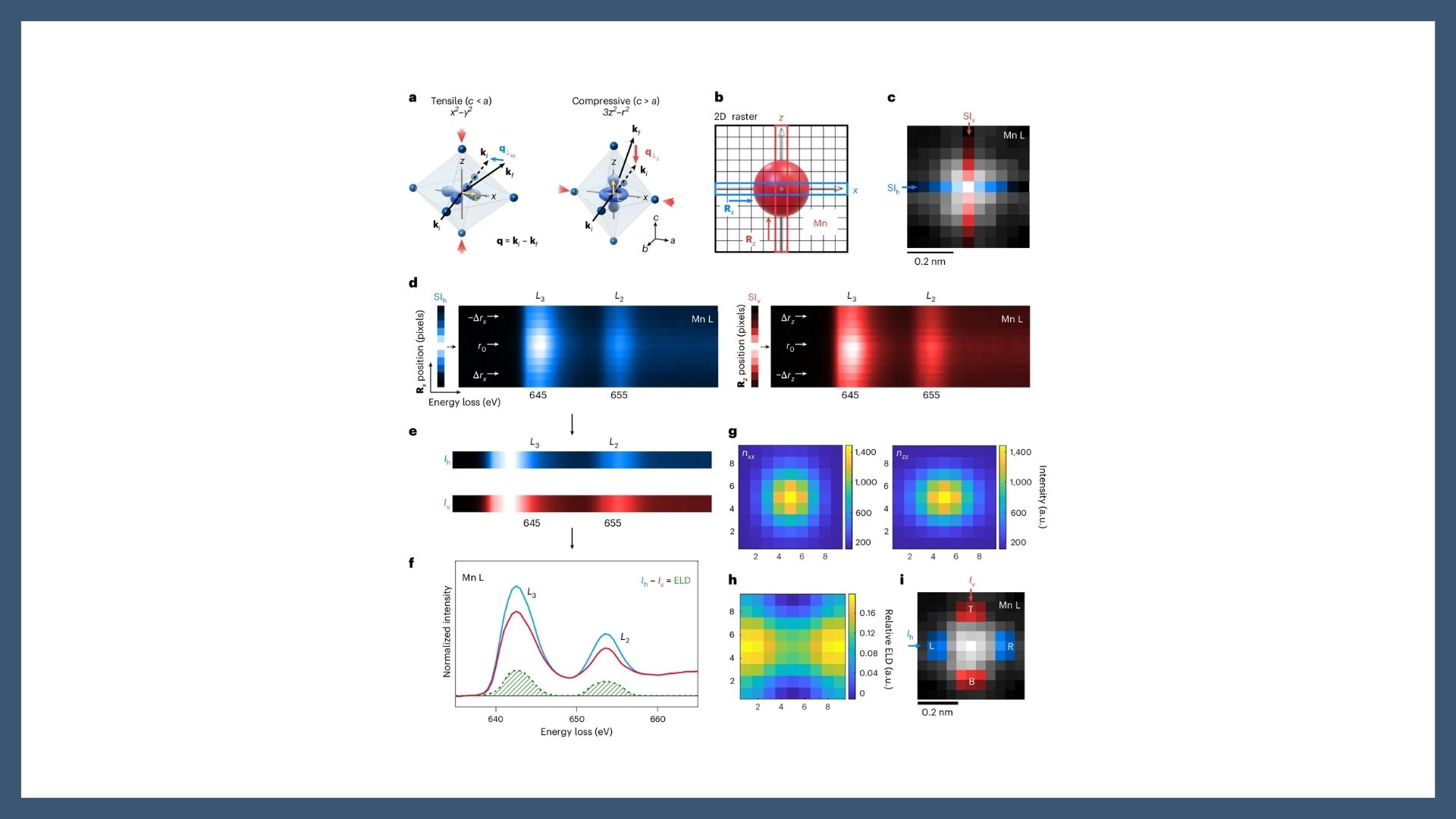
Abstract: X-ray linear dichroism has been pivotal for probing electronic anisotropies, but its inherent limited spatial resolution precludes the atomic-scale investigations of orbital polarization. Here we introduce a versatile electron linear dichroism methodology in scanning transmission electron microscopy that overcomes these constraints. Using electron energy loss spectroscopy with an atomic-sized probe and selecting momentum transfers along two orthogonal directions, we directly visualize orbital occupation at individual atomic columns in real space. Using strained La0.7Sr0.3MnO3 thin films as a model system, we resolve the Mn3d eg orbital polarization with sub-ångström precision. We show that compressive strain stabilizes 3z2–r2 occupation whereas tensile strain favours x2–y2. These results validate our approach against established X-ray measurements, achieving the ultimate single-atomic-column sensitivity. We further demonstrate two optimized signal extraction protocols that adapt to experimental constraints without compromising sensitivity. This generalizable platform opens unique opportunities to study symmetry-breaking phenomena at individual defects, interfaces and in quantum materials where atomic-scale electronic anisotropy governs emergent functionality.
10. Near-Unity Chiral Lasing Enabled by Quasi-Bound States in the Continuum
The article, which appears in Advanced Materials, is written by Jose Mendoza-Carreño*, Luis A. Pérez, Carlota Ruiz De Galarreta, Théo Rouanet, M. Isabel Alonso and Agustín Mihi*. You can read it here and check its ICMAB research.
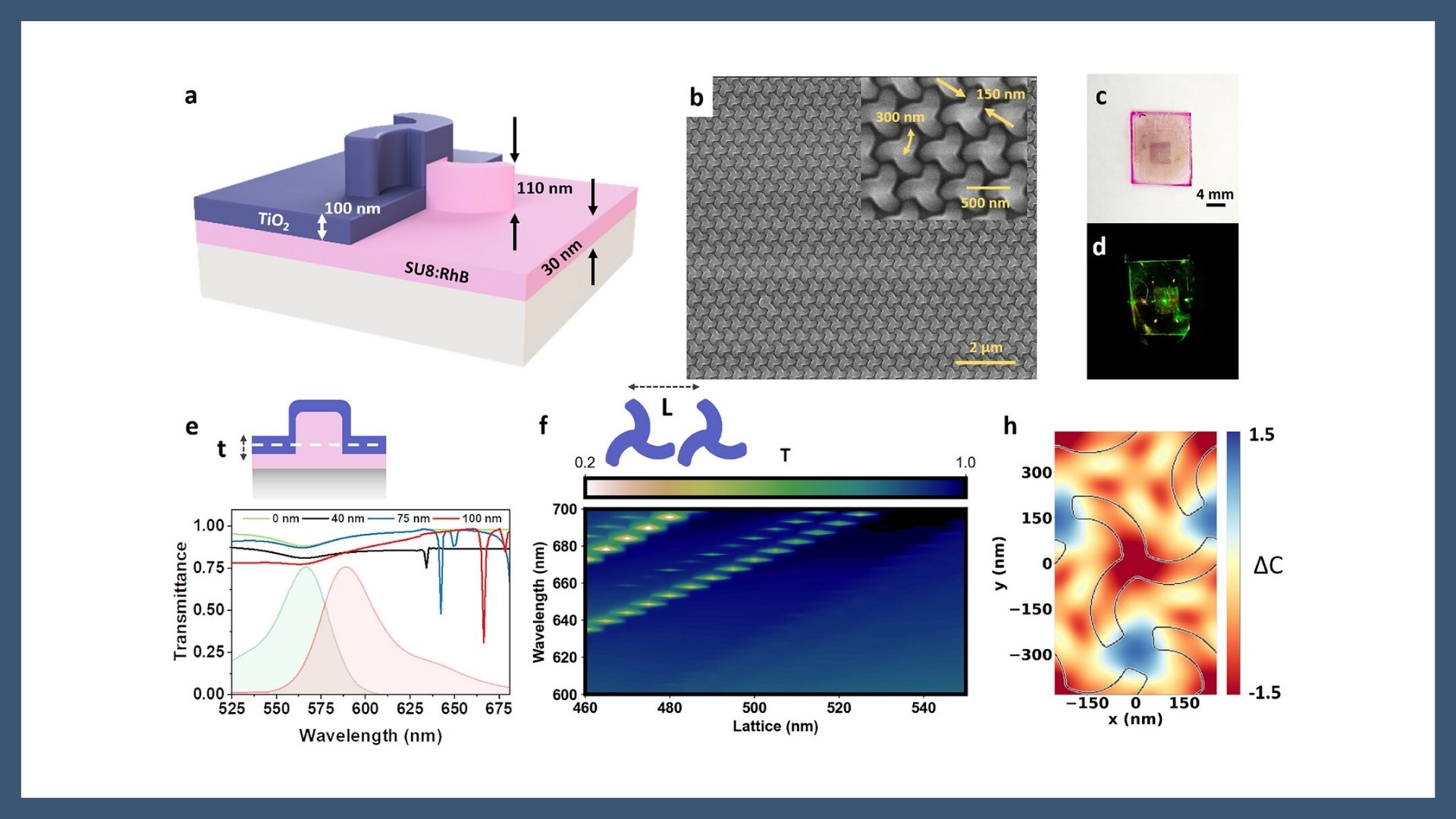
Abstract: Circularly polarized light is essential for applications in optical communication, quantum computing, display systems, and chiral material characterization, among others. Yet, the inherently weak chiroptical response of most materials remains a fundamental limitation. Chiral nanophotonics overcomes this challenge by strongly enhancing light–matter interactions through resonant subwavelength nanostructures. Among these, emitters coupled to chiral bound states in the continuum (BICs) have shown excellent performance. However, the majority of chiral BIC architectures depend on costly nanofabrication processes, which significantly limit their scalability. Here, soft nanoimprinting lithography is used to produce chiral nanostructures that enable chiral lasing from an organic dye embedded in the patterned resist. Nearly fully circularly polarized lasing emission (97%) arises from coupling the dye photoluminescence to supported BIC resonances, as revealed by angular dispersion measurements and corroborated by Fourier microscopy and FDTD simulations. These results confirm coupling between orthogonally polarized TE and TM modes causing the BIC. Our work establishes a scalable route toward highly chiral light sources, advancing practical nanophotonic platforms for quantum and optical technologies.
We hope you have a wonderful summer rest and a well-deserved break. If you feel like reading more, you can always visit the ICMAB website, where the latest news and summer recaps will be published.
