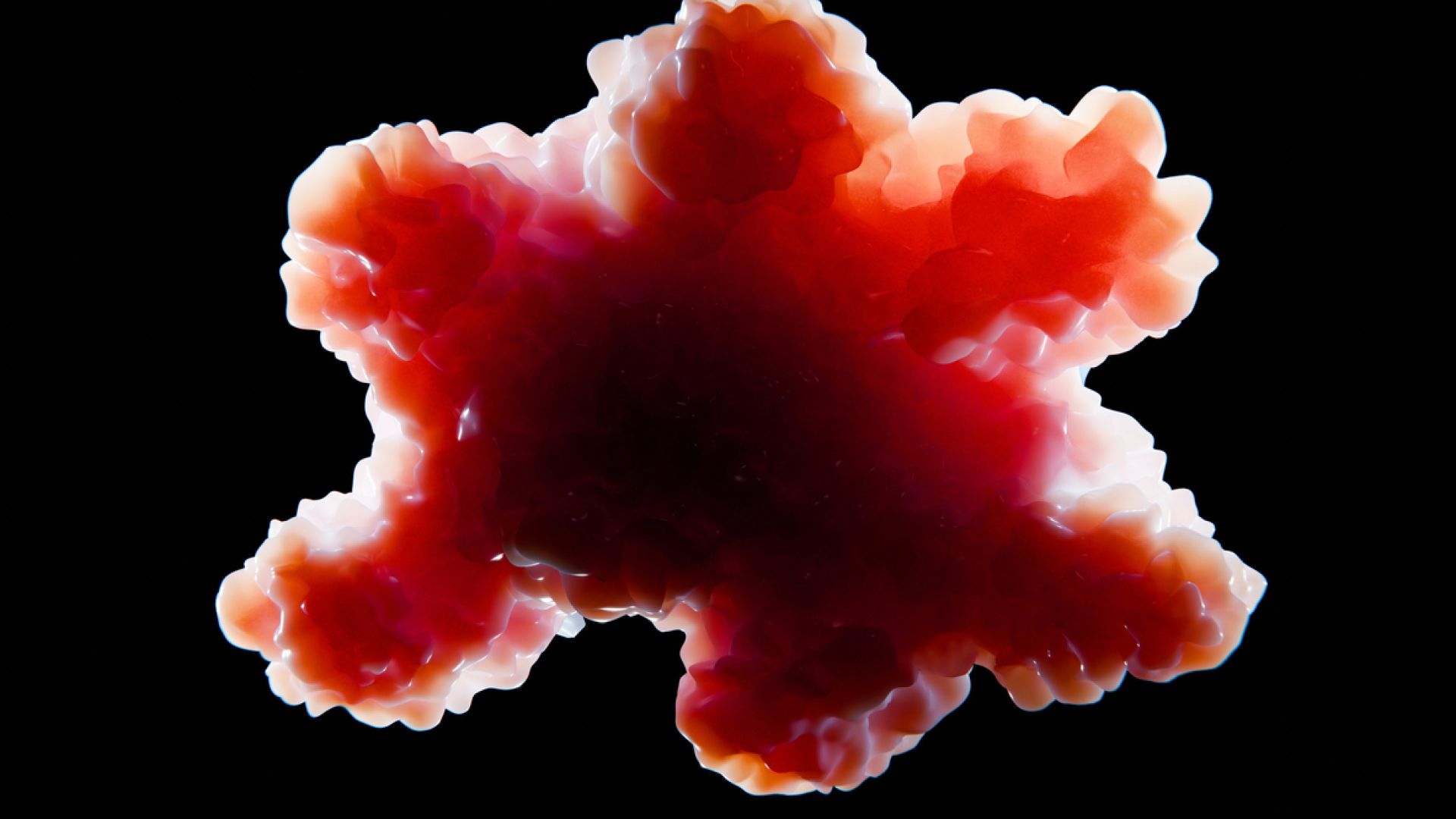
The Institute of Materials Science of Barcelona (ICMAB,-CSIC) is coordinating a new European research initiative that aims to revolutionize preclinical cancer research. The TUMORGPLAT ("Making patient-derived tumor organoids a reliable cancer therapy testing platform") project, funded under the Marie Skłodowska-Curie Actions (MSCA) Staff Exchanges 2024 call, will establish a multidisciplinary network of European experts to develop advanced, non-animal models for testing innovative cancer therapies. At the heart of this initiative is the use of patient-derived tumor organoids (PDTOs), miniature versions of tumors grown in the lab that replicate the complexity of real tumors.
A personalized approach to preclinical testing
The project is led by Judith Guasch, researcher at ICMAB's and leader of the Dynamic Biomimetics for Cancer Immunotherapy group, with Gerard Tobías-Rossell, ICMAB researcher and leader of the Nanoengineering of carbon and inorganic materials (NanoCIM) group, participating as a team member, as well as other researchers from institutions from Spain, Italy and the UK.
According to Guasch: "The ultimate goal is to improve the current preclinical models, particularly in the field of radio-immunotherapy, by creating human-relevant systems complex enough to mimic multiple functions of the original tumor" And adds: "This approach could, in the future, enable personalized testing of therapies in the lab for each individual patient, leading to more effective treatments with fewer side effects".
Replicating tumor complexity in vitro
TUMORGPLAT will focus on both solid and hematological cancers, using non-small cell lung cancer as a model for solid tumors due to its high incidence, and chronic lymphocytic leukemia and follicular lymphoma as representative B cell malignancies. The organoids (PDTOs) will be embedded in novel, tissue-specific artificial extracellular matrices based on tailored 3D biohybrid hydrogels that mimic the human tumor microenvironment.
These complex models will incorporate not only tumor cells but also stromal and immune cells derived from patients, creating a realistic and functional in vitro system. Their performance will be evaluated using a multi-technique approach that includes comprehensive omics characterization.
Innovative therapies without animal models
The platform developed through TUMORGPLAT will be used to test innovative therapies, particularly advanced radiotherapies—such as neutron capture therapy (NCT)—and immunotherapies including CAR T-cell and NK-cell treatments, as well as their combination. The collaboration brings together researchers from ICMAB-CSIC, IDIBAPS and Hospital Clínic de Barcelona, Universitat Politècnica de València and CIBERONC, Istituto Nazionale dei Tumori and Università di Pavia in Italy, and the biotech company Immundnz Ltd. in the UK.
By advancing biomimetic models that better represent the diversity and complexity of human tumors, TUMORGPLAT has the potential to significantly improve cancer therapy testing and pave the way for more personalized and effective treatment strategies, without the use of animal models.
Read more
El CSIC lidera dos proyectos europeos para mejorar las terapias oncológicas y analizar la huella del colonialismo | Consejo Superior de Investigaciones Científicas (CSIC)