


A new paper has been published in the journal Advanced Electronic Materials:
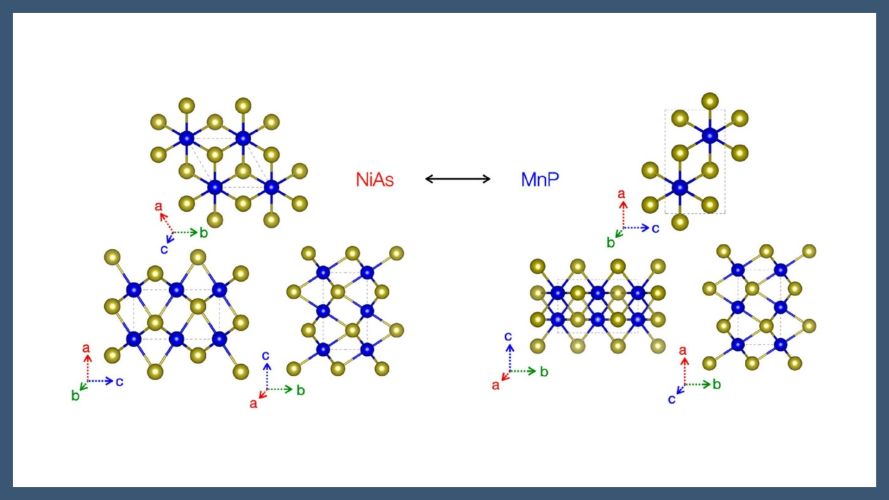
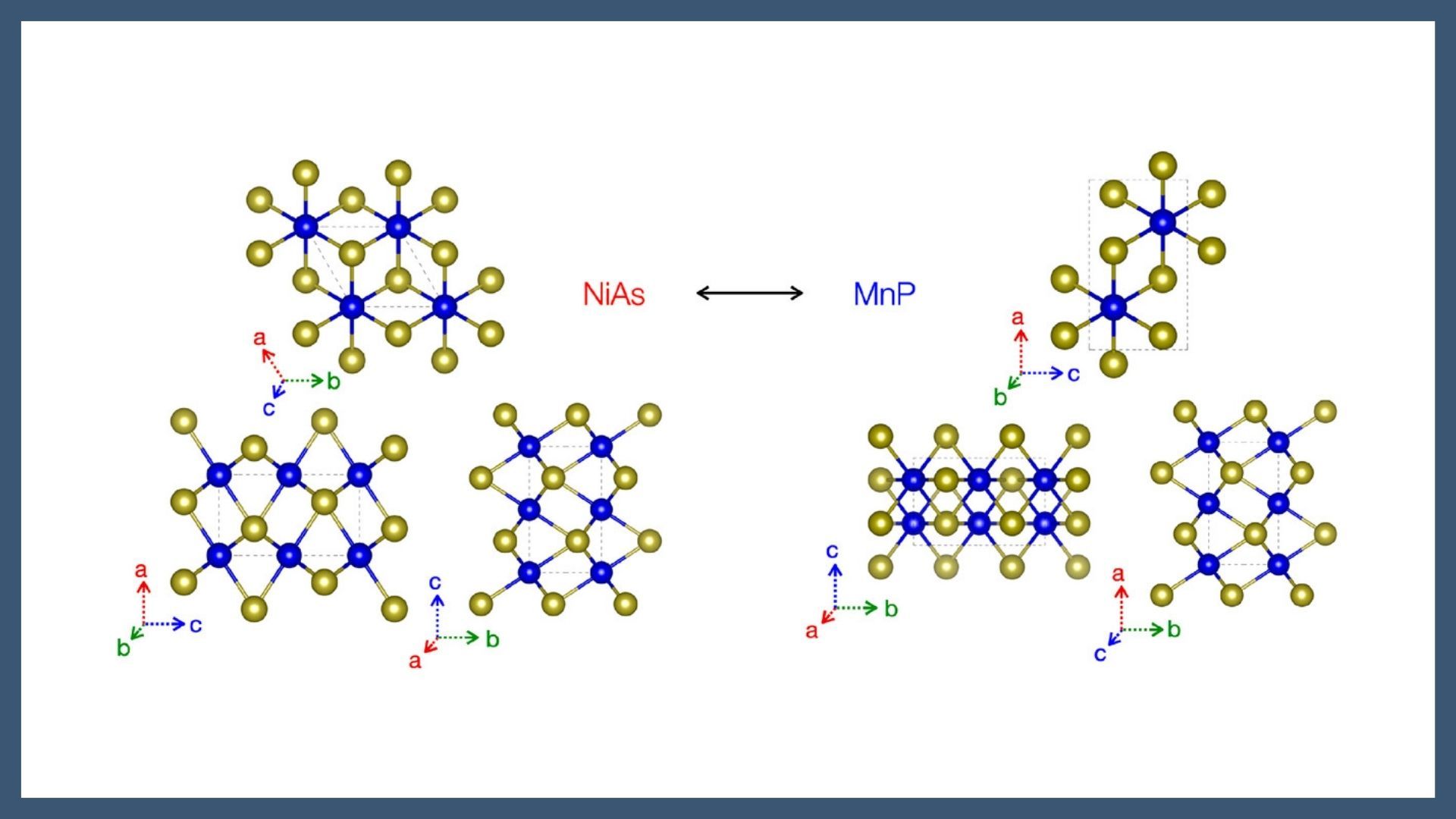
High-pressure physics provides a powerful means of tuning interatomic interactions, enabling the discovery of novel structural and physical phenomena in materials. Chromium telluride, a transition metal chalcogenide, is particularly responsive to such external stimuli, exhibiting a broad spectrum of pressure-, temperature-, and stoichiometry-dependent properties. One of its defining features is a pressure-induced structural transition from a NiAs-type to an MnP-type phase at approximately 13 GPa, as experimentally reported by previous literature. In this work, we use density functional theory to investigate how the thermal properties — specifically, the lattice thermal conductivity — evolve across this structural transition. The complex interplay between structure and magnetism under pressure highlights the highly tunable and anisotropic nature of CrTe.
M4NRG Clean Energy
Lattice Dynamics Across the High-Pressure Phase Transition in CrTe
Borghesi, Costanza; Giorgi, Giacomo; Varsano, Daniele; Rurali, Riccardo
DOI: 10.1002/aelm.202500477

